
Space-Based Observations
How Space-Based Observations Are Shaping Our Understanding of Climate Change
TECHNOLOGY
Space-Based Observations
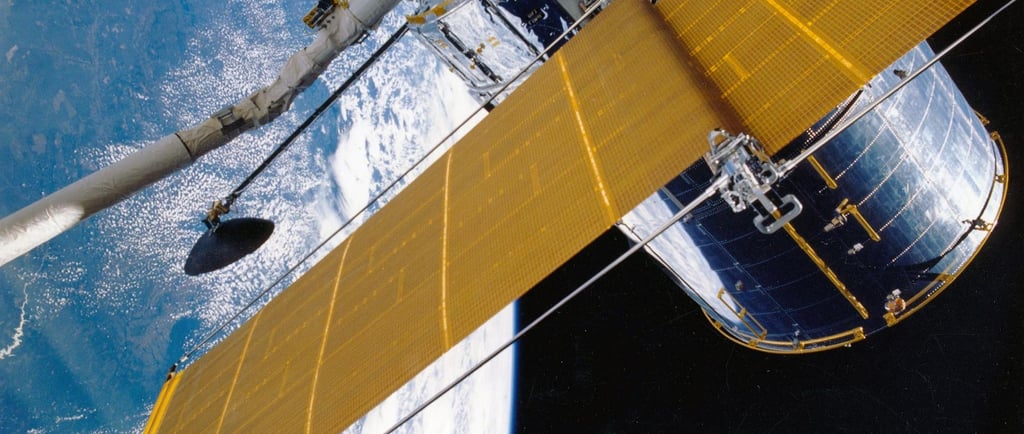
When we think about climate change, we often imagine rising temperatures and the melting polar ice caps. But did you know that some of the most critical data about these changes comes from space? Satellite technology has revolutionized how scientists monitor our planet. From measuring atmospheric gases to tracking deforestation, space-based observations provide a unique vantage point that is essential for understanding climate change and its many implications.
Satellites equipped with sophisticated sensors collect data on various environmental factors. They can measure everything from sea surface temperatures to land surface changes, enabling researchers to identify trends in climate patterns. For instance, NASA's MODIS (Moderate Resolution Imaging Spectroradiometer) satellite provides valuable data on vegetation cover and the health of forests worldwide, giving insights into how ecosystems respond to climate change.
Satellites can observe large areas of the Earth quickly and efficiently. This capability is crucial for tracking natural disasters like wildfire and hurricane events that are becoming more frequent and severe due to climate change. Satellites help us understand how these phenomena evolve and what impacts they have on local communities.
Final Thoughts
Understanding climate change isn't just about gathering data; it's also about analyzing it to foresee potential future impacts. Space-based observations enable scientists to create models that predict how changes in the environment could affect weather patterns, sea levels, and biodiversity. For example, the Copernicus Sentinel satellites offer ongoing monitoring of carbon dioxide levels in the atmosphere, helping researchers understand the greenhouse effect's role in global warming. This proactive approach allows governments and organizations to make informed decisions regarding policies aimed at mitigating climate change. By continually observing the parameters affecting our climate, we can create better frameworks for action and develop innovative strategies to cope with its unavoidable consequences.